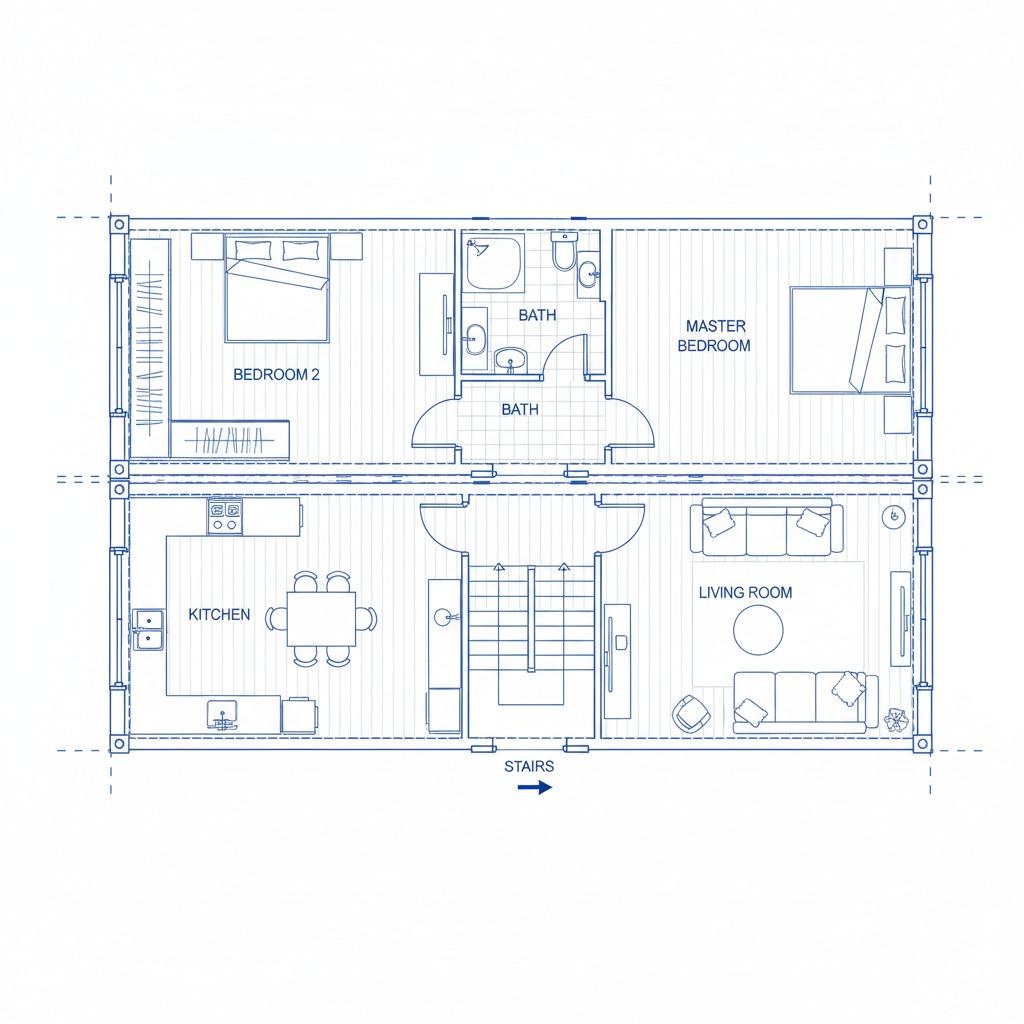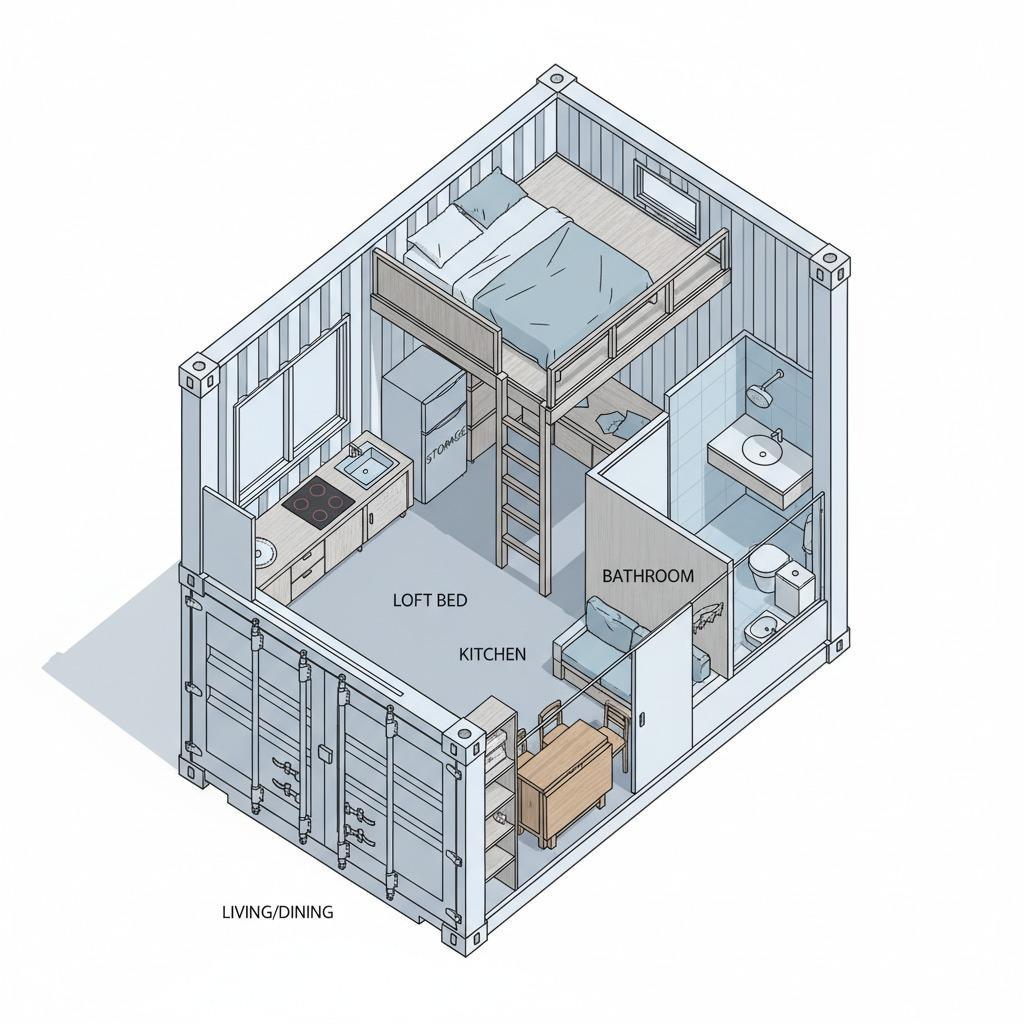

Enhancing Efficiency with Shipping Container Insulation Panels
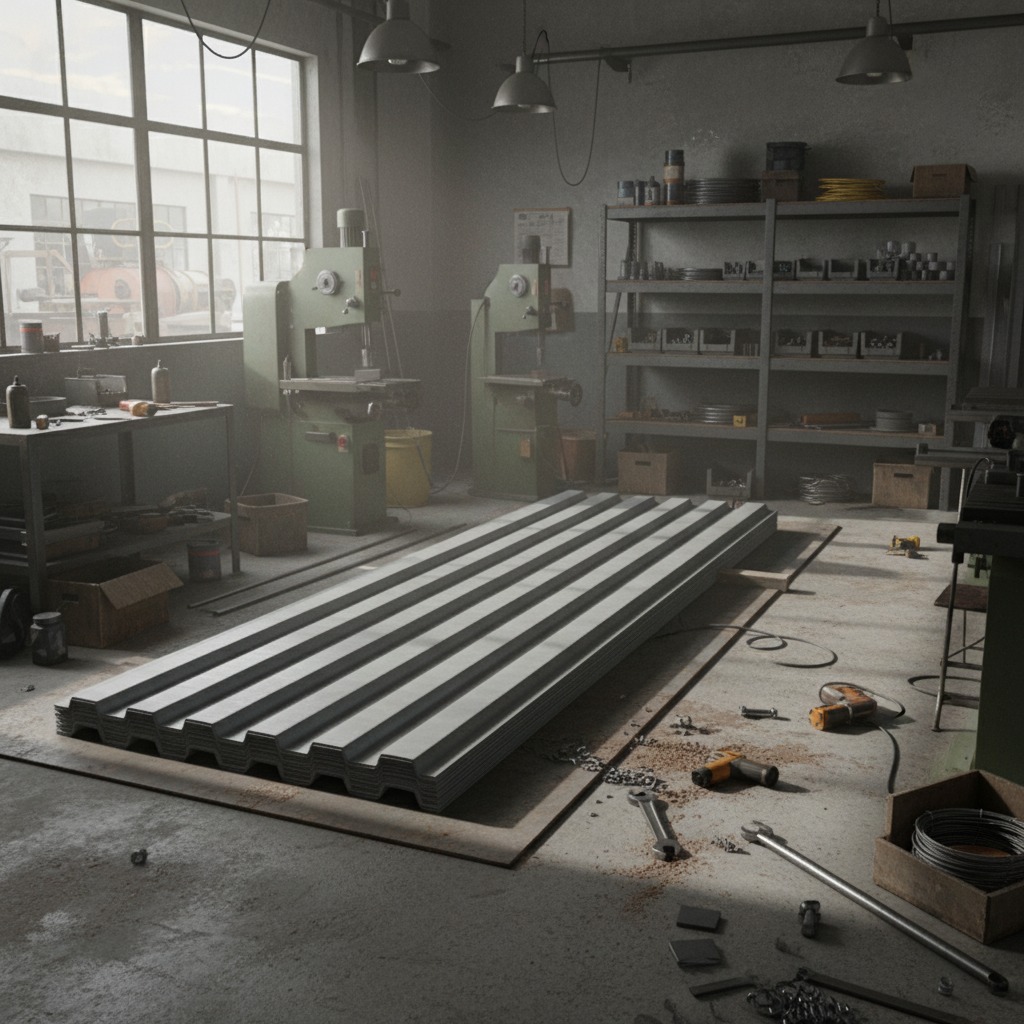
Shipping container insulation panels are revolutionizing the way we modify standard shipping containers for versatile applications. Whether you're transforming a container into a cozy home, a secure storage unit, or a mobile office, these panels provide essential thermal protection and energy efficiency. At Yangzhou Bright Solar Solutions Co., Ltd., known as BR Solar, we integrate innovative insulation solutions with our expertise in clean energy systems to offer comprehensive setups for sustainable container modifications. Our commitment to "Quality First, Global Service" ensures that your projects benefit from reliable, high-performance materials that align with global energy transition goals.
Understanding Insulated Shipping Containers
Insulated shipping containers represent a step forward in container customization, combining the robustness of steel structures with advanced thermal barriers. These containers are fitted with shipping container insulation panels that prevent heat transfer, keeping interiors comfortable year-round. For instance, in extreme climates, uninsulated containers can experience temperature swings of up to 50 degrees Fahrenheit, leading to discomfort and higher energy costs. By incorporating insulated shipping containers, users can maintain stable environments, making them ideal for remote work sites, agricultural storage, or even pop-up retail spaces. BR Solar enhances these setups by pairing insulation with our photovoltaic modules and energy storage batteries, creating off-grid power solutions that power everything from lighting to climate control systems. This holistic approach not only insulates but also energizes your container, supporting our mission to deliver clean energy worldwide.
Exploring Container Insulation Solutions
Container insulation solutions come in various forms, but shipping container insulation panels stand out for their ease of installation and superior performance. These panels, often made from materials like polyurethane foam or fiberglass, are lightweight yet durable, fitting seamlessly into the corrugated walls of shipping containers. One key advantage is their ability to reduce condensation and moisture buildup, which can otherwise lead to structural damage over time. For businesses and homeowners looking to repurpose containers, these solutions offer a cost-effective alternative to traditional building methods. At BR Solar, we recommend integrating these panels with our smart micro-grid systems, which optimize energy use in insulated environments. Imagine a container home in a sunny region powered entirely by solar panels, with insulation panels ensuring minimal energy loss— that's the kind of one-stop energy solution we provide to clients in over 150 countries.
Benefits of Using Shipping Container Insulation Panels
The primary benefit of shipping container insulation panels is their role in improving energy efficiency, which directly translates to lower utility bills and a smaller carbon footprint. These panels can achieve R-values ranging from 13 to 30, depending on the thickness and material, providing better insulation than many conventional methods. In commercial applications, such as refrigerated transport or data centers housed in containers, they ensure precise temperature control, safeguarding sensitive goods or equipment. Residential users appreciate how insulated shipping containers create livable spaces without the need for extensive retrofitting. BR Solar's expertise in photovoltaics allows us to customize these installations, adding solar-integrated roofing that complements the insulation for maximum sustainability. Our national high-tech status underscores our dedication to pushing boundaries, ensuring that every container insulation solution we support is both innovative and reliable.
Installation and Maintenance Tips for Container Insulation Solutions
Installing shipping container insulation panels is straightforward, often requiring minimal tools and can be completed in a day for a standard 20-foot container. Start by cleaning the interior surfaces to remove rust or debris, then cut the panels to fit the wall, ceiling, and floor contours. Secure them with adhesive or mechanical fasteners, sealing edges with foam tape to eliminate air leaks. For optimal results, combine this with vapor barriers to prevent mold growth in humid areas. Maintenance involves periodic inspections for wear, especially in high-traffic setups, and reapplying sealants as needed. BR Solar advises incorporating our lithium battery storage to handle any power demands post-insulation, ensuring your insulated shipping containers operate efficiently even in remote locations. Our global service network provides support, from initial consultation to long-term monitoring, aligning with our goal of facilitating seamless energy transitions.
Real-World Applications and Case Studies
Shipping container insulation panels have been successfully deployed in diverse scenarios, from disaster relief shelters to eco-friendly farms. In one case, a BR Solar client in Southeast Asia converted shipping containers into solar-powered classrooms using our container insulation solutions. The panels maintained comfortable temperatures, allowing students to learn without interruptions, while photovoltaic modules provided clean electricity. This project highlighted how insulated shipping containers can address educational needs in off-grid areas, reducing reliance on fossil fuels. Another example involves industrial micro-grids for mining operations, where insulation panels protected equipment from harsh desert conditions, integrated with our energy storage systems for uninterrupted power. These applications demonstrate the versatility of our solutions, serving residential, commercial, and organizational needs across continents. By choosing BR Solar, you're investing in proven technologies that enhance durability and sustainability.
Futuristic Trends in Shipping Container Insulation
Looking ahead, advancements in shipping container insulation panels are incorporating smart materials that adapt to environmental changes, such as phase-change composites that absorb and release heat dynamically. Container insulation solutions are also evolving to include integrated sensors for real-time monitoring, compatible with BR Solar's smart micro-grid platforms. This synergy allows for predictive maintenance and optimized energy use, further reducing operational costs. As we continue to innovate in photovoltaics and batteries, expect hybrid systems where insulation panels double as mounting surfaces for flexible solar films. BR Solar's focus on global energy transition positions us at the forefront, offering forward-thinking options that meet tomorrow's challenges today. Whether for urban tiny homes or large-scale logistics, these trends ensure insulated shipping containers remain a cornerstone of efficient, eco-conscious design.
In summary, shipping container insulation panels are indispensable for modern container adaptations, providing the foundation for comfortable, energy-efficient spaces. Paired with BR Solar's clean energy expertise, they unlock endless possibilities for sustainable living and working. Contact us to explore how we can tailor these solutions to your needs.
Frequently Asked Questions (FAQ)
1. What are shipping container insulation panels?
They are specialized panels made from materials like polyurethane foam or fiberglass, designed to fit inside shipping containers to reduce heat transfer, prevent condensation, and improve energy efficiency.
2. Why do I need insulation for a shipping container?
Without insulation, containers can experience temperature swings of up to 50°F, making them unbearably hot or cold. Insulation keeps interiors comfortable, protects sensitive goods, and reduces heating/cooling costs.
3. What R-value can I expect from these panels?
Shipping container insulation panels typically achieve R-values between 13 and 30, depending on thickness and material. Higher R-values mean better thermal resistance and energy savings.
4. Are these panels easy to install?
Yes. Installation is straightforward and can often be completed in one day for a standard 20-foot container. Panels are cut to fit walls, ceiling, and floor, then secured with adhesive or mechanical fasteners.
5. Can insulation panels be combined with solar power systems?
Absolutely. When paired with solar panels and energy storage (like BR Solar's photovoltaic modules and lithium batteries), insulated containers can become self-sufficient, off-grid units ideal for remote homes, offices, or clinics.
6. Where can I use an insulated shipping container?
Common applications include:
-
Remote work sites and mobile offices
-
Disaster relief shelters
-
Eco-friendly homes and tiny houses
-
Refrigerated storage or data centers
-
Agricultural storage and farm buildings
-
Pop-up retail spaces and classrooms